Balancing Career and Caregiving: How Grandcoast Families Manage Senior Health Without Burnout

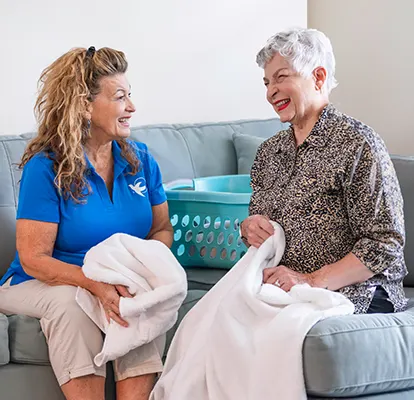
For many professionals living or working in the Grand Strand area, a sudden shift in a parent’s health can trigger an immediate crisis. One day you are managing a project deadline or running a business; the next, you are navigating the complexities of medication schedules, mobility issues, and the fear of a fall while your parent lives alone.
The tension between professional ambitions and the moral imperative to care for aging parents often leads to “caregiver burnout.” This isn’t just stress; it is a clinical state of exhaustion that can lead to depression, decreased productivity at work, and a deterioration in the quality of care provided to the senior. For those managing this balance in South Carolina, the solution isn’t simply “doing more,” but rather shifting from a solo caregiver model to a managed support system.
Identifying the “Tipping Point” in Senior Care
Many families wait until a catastrophic event—such as a hip fracture or a severe medication error—before seeking outside help. However, there are subtle, concrete indicators that a senior can no longer safely manage their household independently.
The Red Flags of Declining Independence
- Nutritional Gaps: Finding expired food in the refrigerator or noticing unplanned weight loss often indicates that cooking has become too strenuous or confusing.
- Medication Non-Compliance: Pill organizers that remain full long after they should be empty, or conversely, double-dosing due to forgetfulness.
- Environmental Neglect: A sudden decline in home hygiene, such as piles of unopened mail or neglected laundry, which often mirrors a decline in cognitive or physical energy.
- Social Withdrawal: A senior who stops attending church, visiting the beach, or calling friends is often masking a lack of confidence in their ability to navigate the world safely.
When these signs appear, the responsibility typically falls on the adult children. For the professional, this often means taking “emergency” leave or attempting to manage care via phone calls from an office, which is neither sustainable nor safe for the senior.
Transitioning to a Sustainable Support Model
The goal for any family managing senior health is to maintain the senior’s dignity and autonomy while ensuring their safety. The most effective way to achieve this is by integrating professional support into the home environment.
By utilizing professional home care Myrtle Beach SC services, families can move from a reactive state to a proactive one. Instead of spending every weekend cleaning the house or managing prescriptions, the adult child can return to the role of the son or daughter.
Strategic Allocation of Care Tasks
To avoid burnout, divide caregiving into three distinct categories:
- Clinical Needs: These are handled by primary care physicians and visiting nurses. This includes medication management and chronic disease monitoring.
- Daily Living Support: This involves the “heavy lifting”—bathing, dressing, meal preparation, and light housekeeping. These tasks are the primary drivers of caregiver exhaustion and are best handled by trained professionals.
- Emotional Support: This is the most critical area for family members. By offloading the labor of daily living, you can focus your limited time on emotional connection, companionship, and mental stimulation for your parent.
Managing the Logistics of In-Home Care
Implementing a care plan requires a business-like approach to logistics. To ensure the transition is seamless, families should establish a “Care Dashboard.”
Creating a Care Dashboard
A simple shared document or physical binder should be kept in the home, containing:
- The Current Medication List: Including dosages, timing, and the prescribing physician.
- Emergency Contact Hierarchy: Who is called first, second, and third in the event of a crisis.
- Daily Routine Preferences: Notes on the senior’s favorite meals, preferred wake-up times, and specific triggers for anxiety.
- The Care Calendar: A schedule of professional visits, doctor appointments, and family visits to avoid overlaps and gaps in coverage.
When a professional care team is integrated into this system, they act as the “eyes and ears” on the ground. They can report subtle changes in health or mood to the family long before those changes become emergencies. This allows the professional caregiver to provide the necessary physical support while the family provides the emotional anchor, creating a sustainable ecosystem that protects the health of the senior and the mental well-being of the caregiver.